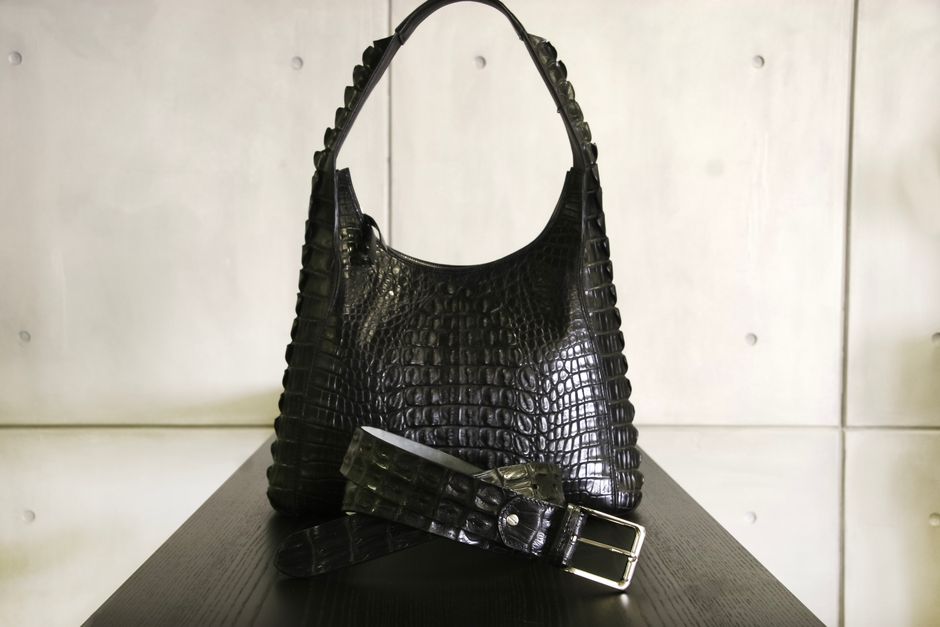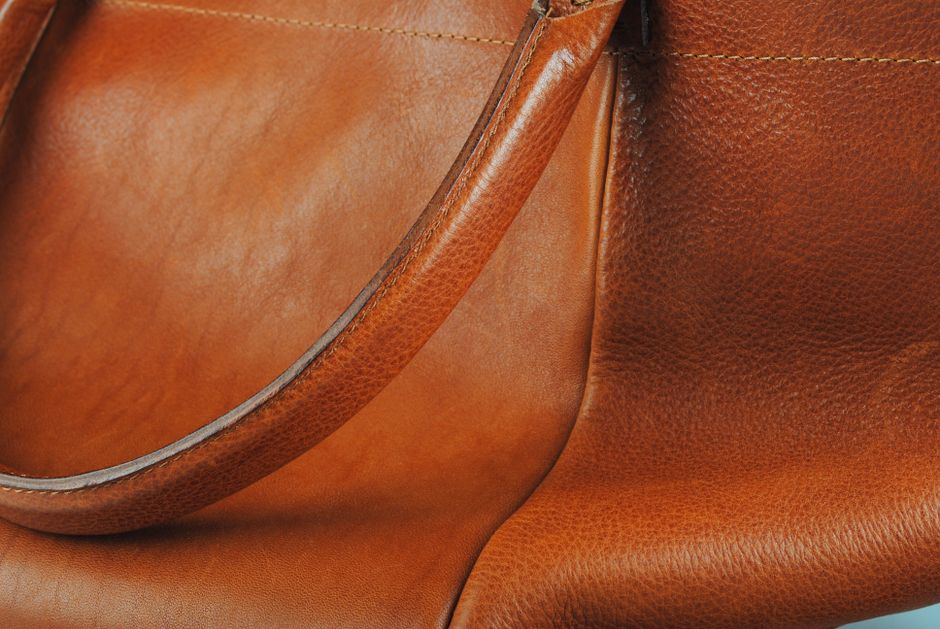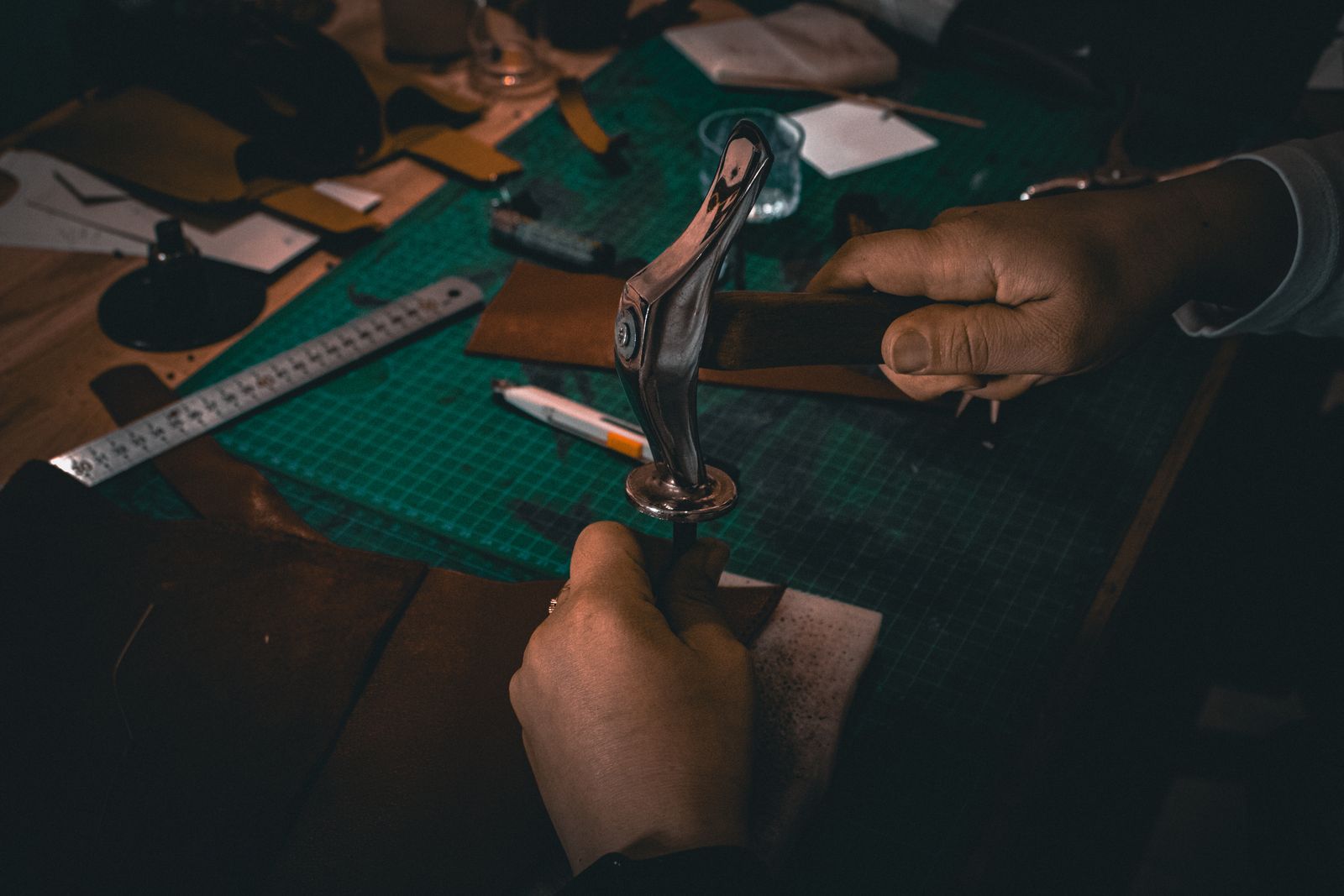
Fine leather is a living material. It breathes, it responds to its environment, and it changes over time. This is not a flaw. It is the quality that distinguishes leather from synthetic alternatives and gives well-made goods their character. But that same responsiveness means leather requires attention. A bag or shoe that is neglected will dry out, crack, and lose its shape. One that is cared for will develop a richer patina and remain functional for decades longer than its neglected counterpart. The difference is not one of expense or specialized equipment. It is a matter of routine, of knowing what to do and when to do it. This guide covers the three pillars of leather care: maintenance, storage, and restoration.
Daily and Weekly Maintenance
The most important care you can give a leather good is also the simplest. Regular, gentle attention prevents the accumulation of the dirt, oils, and environmental factors that cause long-term damage. Maintenance is not a dramatic intervention. It is a set of small habits performed consistently.
Cleaning the Surface
Once a week, wipe your leather bag or shoes with a soft, dry cloth to remove surface dust. For shoes that encounter more dirt, a slightly damp cloth can be used, followed immediately by a dry cloth to remove any moisture. Avoid soaking the leather. Water is not the enemy of leather, but standing water and prolonged dampness are. The goal is to remove contaminants before they have the chance to work into the surface and cause staining or deterioration. For bags, pay attention to the handles and any areas that come into regular contact with your skin. Body oils accumulate in these spots and, over time, can cause darkening that is difficult to reverse.
Conditioning and Nourishing
Leather contains natural oils that keep it supple. Over time, and particularly in dry or heated environments, these oils are lost. Conditioning replaces them. Use a quality leather conditioner, applied sparingly with a soft cloth in a thin, even layer. Less is more. A common mistake is over-conditioning, which can leave the leather feeling greasy and can darken the color. Apply the conditioner, allow it to absorb for several hours or overnight, then buff gently with a dry cloth. For bags that are used daily, conditioning every three to six months is sufficient. For shoes, which are exposed to more environmental stress, every two to three months is more appropriate. Always test a conditioner on an inconspicuous area first, as some products can alter the color or finish of certain leathers.
Proper Storage: The Long Game
How you store leather when it is not in use is as important as how you care for it when you are wearing it. Storage is where the long-term preservation happens, and poor storage can undo years of careful maintenance in a single season. The principles of leather storage are simple, but they are often overlooked.
Shape and Support
A bag that is stored empty and unsupported will collapse under its own weight, developing creases and folds that can become permanent. Stuff bags with acid-free tissue paper, clean cotton cloths, or original dust bags to maintain their shape during storage. Do not use newspaper, as the ink can transfer to the lining. For shoes, use cedar shoe trees. These serve a dual purpose. They maintain the shape of the shoe, preventing the toe from curling and the heel from collapsing, and they absorb moisture from the interior, which prevents odor and extends the life of the lining. Insert the trees immediately after wearing, while the leather is still warm and pliable, and leave them in until the next wear.
Environment and Protection
Store leather in a cool, dry place away from direct sunlight. Sunlight causes fading and accelerates drying. Heat sources, including radiators and heating vents, cause similar damage. Avoid plastic containers or sealed bags that do not allow the leather to breathe. The original dust bag is ideal for bags, as it protects the surface from dust and scratches while allowing air circulation. For shoes, the original box with the shoes inside their dust bags is the standard. If you live in a particularly humid climate, consider silica gel packets in the storage area to control moisture, but do not allow them to come into direct contact with the leather, as they can cause localized drying.
Restoration: When Damage Occurs
Even well-cared-for leather will eventually show signs of wear. Scuffs, scratches, water marks, and color loss are all part of the life of a leather good. Some of these can be addressed at home. Others require professional attention. Knowing which is which will save you from making damage worse with well-intentioned but incorrect interventions.
Minor Scuffs and Scratches
Light surface scratches can often be minimized by gently rubbing the area with a finger. The natural oils in your skin can be enough to blend a shallow scratch into the surrounding leather. For deeper scratches, a small amount of leather conditioner applied to the area and worked in with a soft cloth can help. Colored creams, matched to the leather, can disguise scratches on finished leathers, but they must be matched carefully. A poorly matched color is more visible than the original scratch. On unfinished or vegetable-tanned leather, scratches are more difficult to address, as the surface is more absorbent and the damage is deeper into the material.
Water Damage and Professional Help
If leather becomes thoroughly wet, do not attempt to dry it quickly with heat. Stuff the item with paper or cloth to maintain its shape, and allow it to dry naturally at room temperature, away from direct heat. Quick drying causes shrinkage, stiffness, and cracking. Once dry, the leather will likely need conditioning to restore the oils that water removes. For significant damage, deep staining, tears, or structural failures, seek a professional leather restorer. Attempting major repairs at home often makes the problem worse and reduces the options available to a professional. A good restorer can re-stitch seams, replace worn linings, re-color faded leather, and restructure bags that have lost their shape. The cost of professional restoration is often far less than the cost of replacement, and it preserves the character that only time and use can build.
The Long Relationship
Fine leather goods reward commitment. A bag that is cared for over twenty years becomes something that a new bag, however expensive, cannot be. It carries the record of its use, the patina, the softened corners, the places where the leather has been touched and handled and lived with. This is the ultimate argument for caring for leather. It is not merely about preservation. It is about allowing the material to become what it was made to become, a record of the life it has shared with you. The routines described here are not chores. They are the terms of a relationship, and the relationship, like the leather itself, only improves with time and attention.