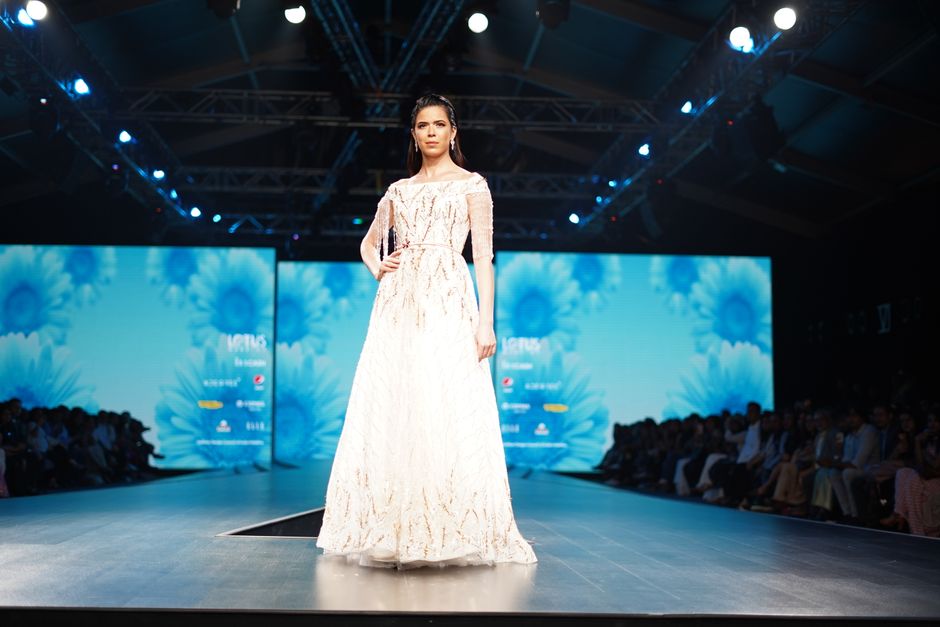
The polished runways of Paris and Milan project an image of effortless glamour, but the reality behind every luxury collection is far more complex. At the heart of each major fashion house sits an atelier — a workshop where sketches become garments through the accumulated knowledge of dozens of specialized artisans. The atelier system is the engine of luxury fashion, and understanding how it operates reveals why true craftsmanship cannot be rushed, automated, or easily replicated.
The Structure of a Luxury Atelier
A functioning atelier is not simply a room full of sewers. It is a hierarchy of expertise built around two distinct disciplines: the flou atelier and the tailleur atelier. The flou specializes in soft, fluid garments — dresses, blouses, and draped pieces — while the tailleur focuses on structured tailoring, including jackets, coats, and trousers. Each discipline requires different tools, techniques, and sensibilities, and the artisans who work within them train for years before they are trusted with a complete garment.
The Premier d'Atelier
At the top of this hierarchy sits the premier d'atelier, or first head of workshop. This figure translates the creative director's vision into technical reality, determining how a sketch will be constructed, what materials will be required, and which artisans will be assigned to each piece. The premier d'atelier is part engineer, part interpreter, and part project manager, possessing deep knowledge of construction techniques alongside the diplomatic skill to mediate between artistic ambition and physical possibility.
The Petites Mains
Below the premier work the petites mains — literally "little hands" — the artisans who execute the sewing, embroidery, beading, and finishing work. Many of these craftspeople have spent decades in the same house, developing institutional knowledge that exists nowhere else. An embroiderer who has spent thirty years applying sequins by hand develops a speed and precision that no machine can match, and a familiarity with the house's archive of techniques that no manual could ever capture.
From Sketch to Garment: The Creative Process
A collection begins not with fabric but with conversation. The creative director arrives at the atelier with sketches, references, and sometimes only a mood or a color palette. The premier d'atelier and the director discuss how each piece should move, what silhouette it should create on the body, and what technical challenges it presents. This dialogue is ongoing and iterative — a garment may be reimagined dozens of times before it reaches its final form.
The Toile Stage
Before any precious fabric is cut, the atelier creates a toile — a prototype made from inexpensive cotton muslin. The toile allows the team to test the proportions, fit, and construction of a garment without wasting materials that may cost hundreds of euros per meter. The toile is fitted on a mannequin, adjusted, and refined until the silhouette is correct. Only then does the premier approve the cutting of the actual fabric, a moment of commitment that the entire team approaches with careful deliberation.
Fittings and Refinements
Once the garment is assembled in its final fabric, it enters the fitting stage. A house model — a fit model whose measurements represent the house's standard — tries the piece, and the creative director and premier examine how it moves, drapes, and falls. Adjustments are marked directly on the garment with pins and chalk. A single piece may go through five, ten, or more fittings before it is approved for the runway. This patience is what separates luxury from ready-to-wear: not the cost of the materials, but the time invested in getting every line and seam exactly right.
The Materials Ecosystem
Luxury production depends on a network of specialized suppliers that often spans generations. Mills in northern Italy produce exclusive silk jacquards woven on antique looms. Embroidery houses in India maintain ateliers where artisans hand-apply beads and sequins using techniques passed through families for centuries. Feather workshops in Paris process plumes for single garments using methods unchanged since the nineteenth century. These suppliers are often small, family-owned businesses, and their survival is a constant concern for the houses that depend on them. When a mill closes, the knowledge it held may be lost forever — a quiet catastrophe that the fashion press rarely notices but that atelier directors feel acutely.
Why the Atelier System Endures
In an era of automation and outsourced manufacturing, the atelier system can seem anachronistic. It is slow, expensive, and dependent on human skills that take years to develop. Yet it persists because it produces results that no other system can replicate. A hand-set sleeve falls differently from a machine-sewn one. A garment that has been fitted six times moves differently from one fitted once. The atelier is not merely a production method — it is a philosophy that treats clothing as a craft worthy of the same respect accorded to sculpture or architecture.
The challenge facing luxury houses today is not whether to preserve their ateliers, but how to ensure the next generation of artisans is trained before the current one retires. Apprenticeship programs, partnerships with fashion schools, and investment in technical education are all part of the answer. The atelier system has survived for over a century because it works, and because the garments it produces possess a quality that customers can feel even if they cannot name it. As long as that quality is valued, the atelier will endure.