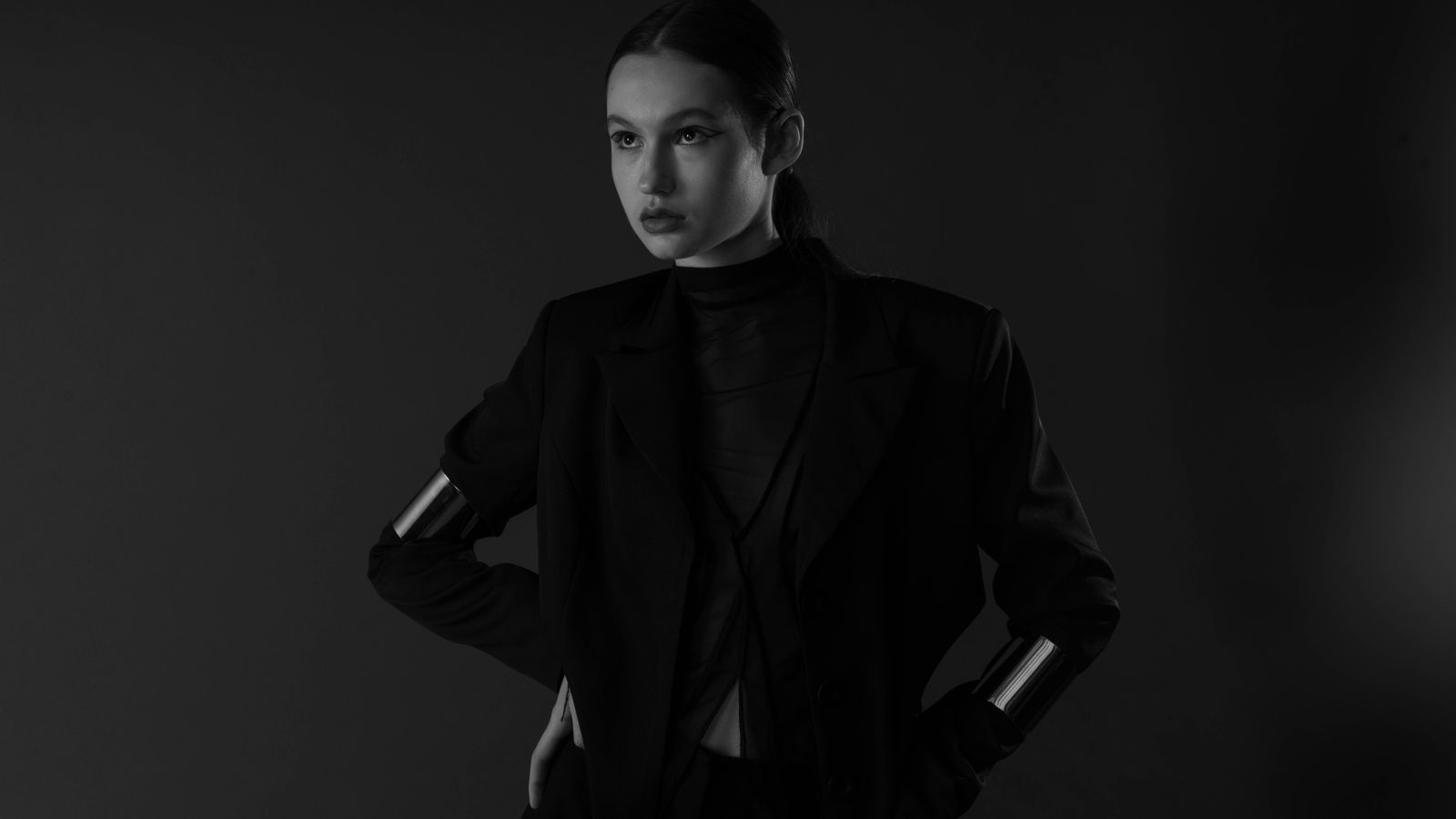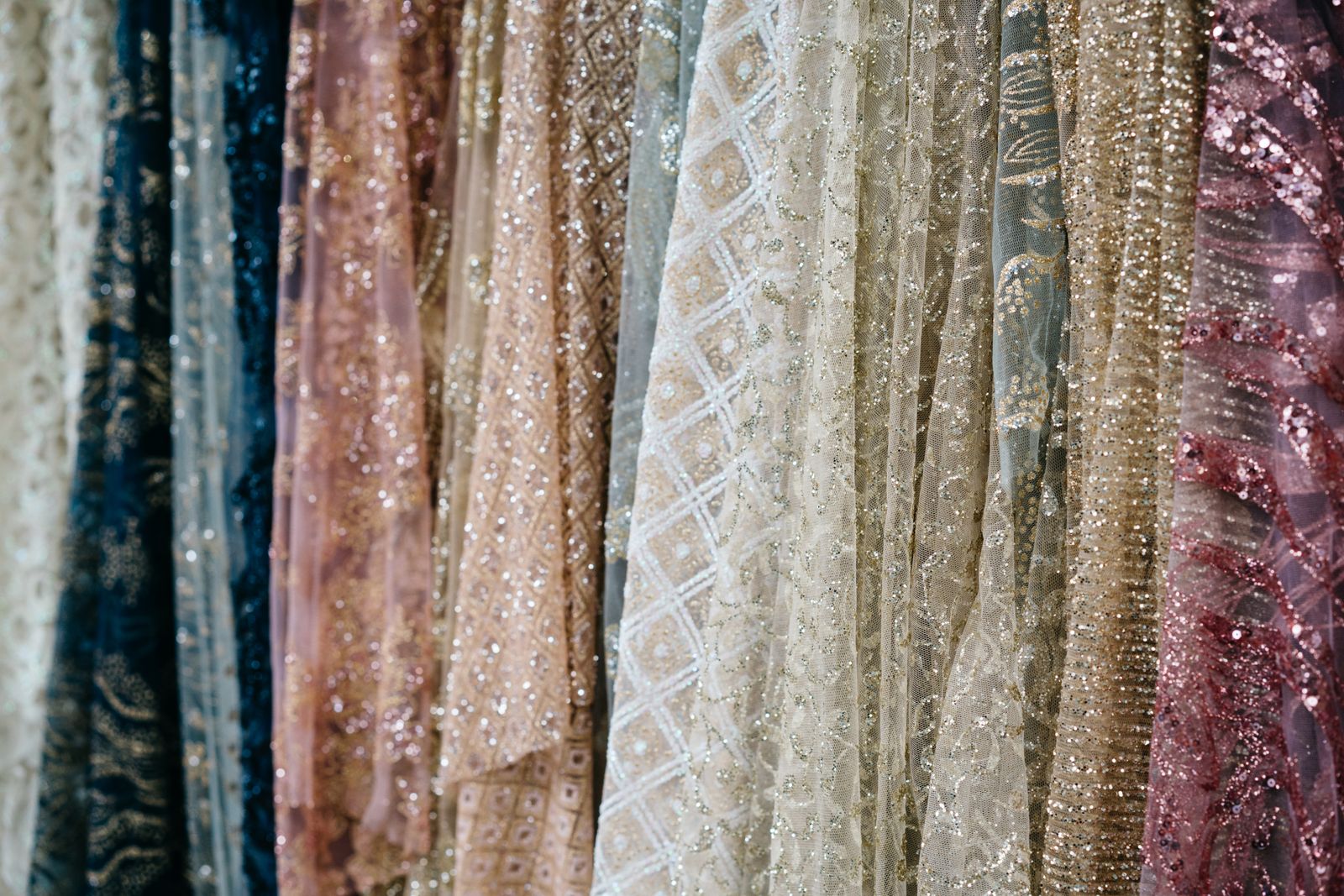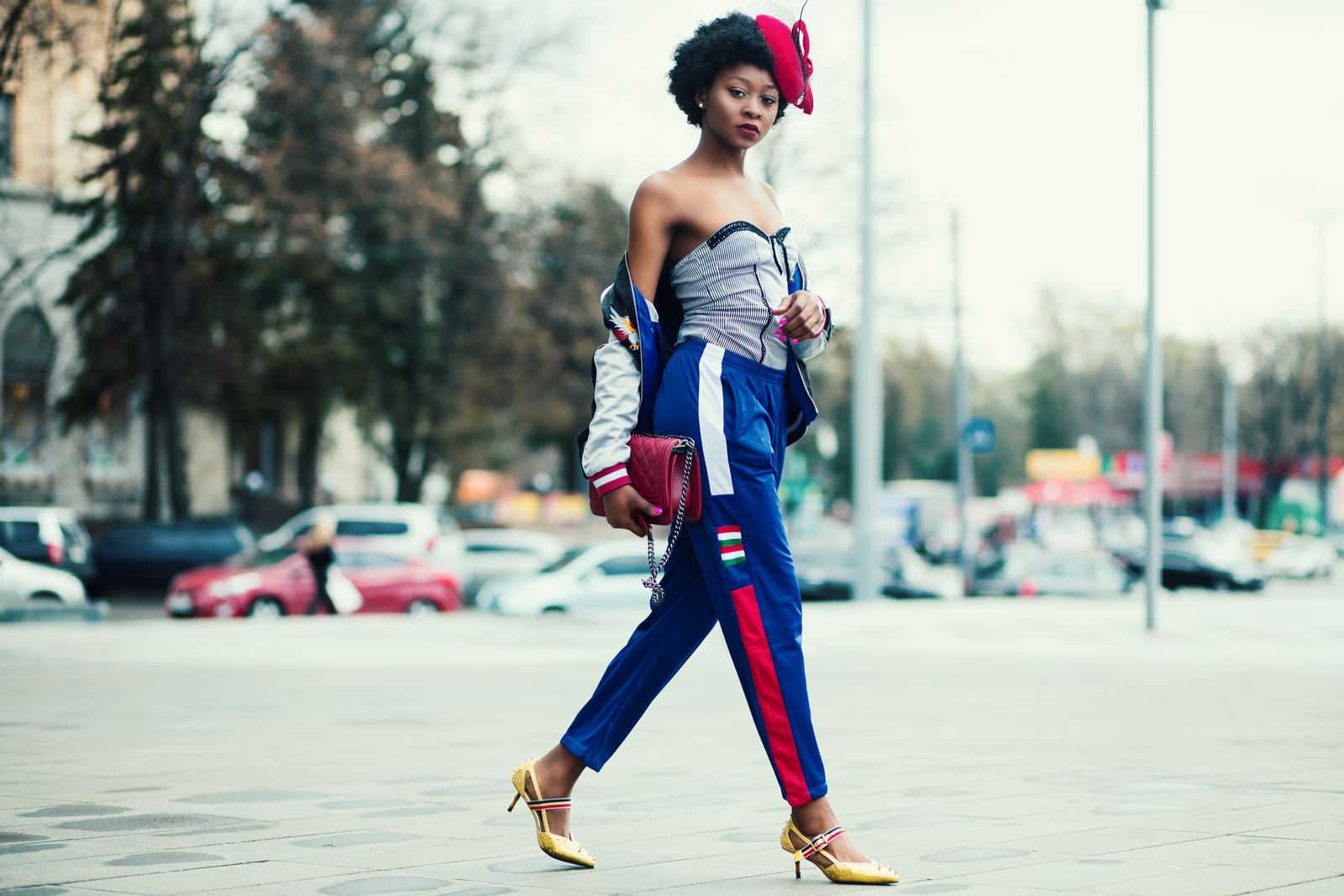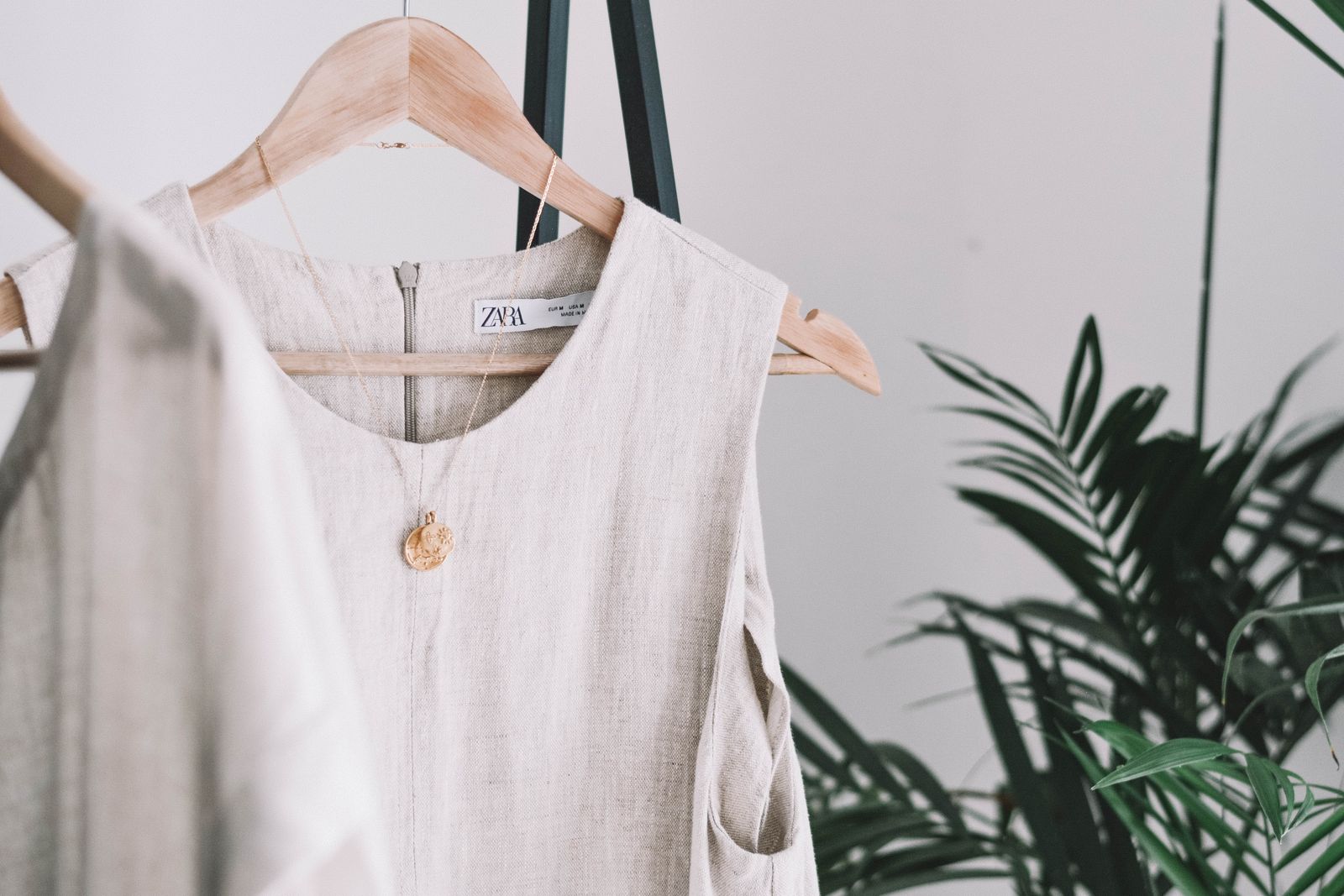
For years, the dominant palette of considered dressing was defined by absence: the stark white wall, the black turtleneck, the grey flannel trouser. Minimalism trained a generation of shoppers to think of restraint as the highest form of taste, and for a while that restraint meant cool, clinical neutrals stripped of warmth. But the color story has shifted. Across the autumn 2026 collections, designers have turned away from the bleached and the optical in favor of something grounded, tactile, and unmistakably alive. Earth tones — clay, ochre, sand, taupe, terracotta, mushroom — are no longer a seasonal accent. They have become the foundation.
The change is visible everywhere at once: in the camel coats that opened several major shows, in the prevalence of chocolate brown where black once stood, in the quiet replacement of grey flannel with warm taupe. This is not a trend driven by a single color of the year or a Pantone announcement. It is a broader recalibration of what neutral means, and it reflects a deeper cultural move toward warmth, craft, and a connection to the natural world that has been building for several seasons.
The Palette: From Clay to Caramel
The new earth-tone wardrobe is not monolithic. It is a family of related hues that share a common temperature and a common origin in the landscape. Understanding the range is the first step toward building with it.
The Warm Browns
Chocolate, espresso, and caramel have emerged as the anchor tones of the season. Unlike the flat browns of earlier decades, these are rich and layered, often carrying red or golden undertones that make them flattering against a wide range of complexions. Designers are using warm brown the way they once used black — as a base layer, a grounding color that allows other tones to sing. A chocolate knit under a camel coat, paired with cream trousers, produces a combination that feels both sophisticated and approachable in a way pure black and white never quite manage.
Sand, Stone, and Mushroom
On the lighter end of the spectrum, sand and stone tones provide the airy counterpoint to the deeper browns. Mushroom — that elusive grey-brown that shifts depending on the light — has become a particular favorite, offering the neutrality of grey without its coldness. These tones work as connective tissue in a wardrobe, bridging darker and lighter pieces and allowing a single palette to stretch across an entire season of dressing.
Ochre and Terracotta as Accents
Within the warm neutral framework, ochre and terracotta function as the accent colors. Burnished, sunbaked, and slightly muted, they bring energy without disrupting the grounded mood. A terracotta scarf against a taupe coat, or an ochre bag carried with a head-to-toe sand ensemble, introduces just enough contrast to keep a monochromatic look from going flat. The key is saturation: these accents work best when they feel weathered and organic rather than bright and synthetic.
Why Warm Neutrals Replaced Stark Minimalism
The move from cool minimalism to warm earthiness is not purely aesthetic. It tracks with a broader shift in how people want their homes and wardrobes to feel. The clinical white interiors and monochrome outfits that defined the 2010s reflected a particular vision of modernity — clean, efficient, slightly austere. That vision has lost its hold. In its place, there is a desire for spaces and clothes that feel lived in, tactile, and connected to something slower and more rooted.
Warm neutrals also solve a practical problem that cool ones never could. Pure white and stark grey are unforgiving. They show every wrinkle, every spill, every sign of wear, and they can drain color from the face. Earth tones, by contrast, are forgiving by nature. They hide the traces of daily life, flatter a wider range of skin tones, and age gracefully — a slightly worn camel coat looks better, not worse, than a pristine one. For a generation building wardrobes meant to last rather than be replaced each season, these qualities matter.
Building a Wardrobe Around Earth Tones
The strength of the earth-tone palette lies in its interoperability. Because the tones share a temperature and a natural origin, they mix with one another almost effortlessly. A wardrobe built on warm neutrals allows for more combinations from fewer pieces, which is the foundation of both sustainability and personal style.
Start with the anchors: a camel or chocolate coat, a pair of taupe trousers, a sand knit. These are the pieces that will carry the most weight and should receive the most investment. From there, layer in accent tones — a terracotta accessory, an ochre shirt, a cognac leather belt — to introduce depth and personality. The beauty of the system is that nearly everything works with nearly everything else, reducing the morning question of what to wear to a matter of texture and proportion rather than color clash. In a world that often feels overstimulating, the quiet harmony of a warm neutral wardrobe is its own form of luxury.